

iPhone 16E vs iPhone 16: Complete Buying Guide for Smart Shoppers
Choosing between the iPhone 16E and iPhone 16 can feel overwhelming when both phones look similar but carry different price tags. This iPhone 16E vs iPhone 16 comparison breaks down everything you need to know to make the right choice for your budget and lifestyle.
This guide is perfect for anyone upgrading their current phone, first-time iPhone buyers, or tech enthusiasts who want the facts without the marketing fluff.
We’ll dive deep into the key performance differences that actually matter in daily use, compare pricing to help you get the best value for your money, and examine camera features to see which phone captures better photos and videos. By the end, you’ll know exactly which iPhone 16 model fits your specific needs and budget.
Key Differences Between iPhone 16E and iPhone 16
Design and Build Quality Comparison
The iPhone 16E takes a noticeably different approach to design compared to the standard iPhone 16. Apple crafted the iPhone 16E with a more budget-conscious mindset, featuring an aluminum frame instead of the premium stainless steel found on the iPhone 16. The color palette also differs significantly – the iPhone 16E comes in vibrant options like bright blue, pink, and yellow, while the iPhone 16 sticks to more sophisticated tones including deep purple, gold, and classic silver.
Weight becomes a deciding factor for many users. The iPhone 16E weighs approximately 20 grams less than its counterpart, making it more comfortable for extended use. However, this weight reduction comes at the cost of the premium feel that characterizes the iPhone 16’s solid construction. The build quality remains excellent on both models, but the iPhone 16 clearly targets users who prioritize that luxury smartphone experience.
Water resistance ratings match between both phones at IP68, so durability in wet conditions remains consistent. The button placement and overall ergonomics stay nearly identical, ensuring muscle memory transfers seamlessly between models.
Display Technology and Screen Features
Screen technology represents one of the most significant differences in the iPhone 16E vs iPhone 16 comparison. The iPhone 16E features a 6.1-inch LCD display with True Tone technology, delivering solid color accuracy and brightness levels suitable for most daily tasks. Peak brightness reaches 625 nits, which handles indoor use well but struggles slightly in direct sunlight.
The iPhone 16 steps up considerably with its Super Retina XDR OLED display. This technology provides deeper blacks, more vibrant colors, and superior contrast ratios that make photos and videos pop off the screen. Peak brightness climbs to 1,000 nits for standard content and an impressive 1,600 nits for HDR content, making outdoor visibility significantly better.
| Feature | iPhone 16E | iPhone 16 |
|---|---|---|
| Display Type | LCD | OLED |
| Screen Size | 6.1 inches | 6.1 inches |
| Resolution | 1792 x 828 | 2556 x 1179 |
| Peak Brightness | 625 nits | 1,000 nits (1,600 HDR) |
| Refresh Rate | 60Hz | 60Hz |
Both phones maintain the 60Hz refresh rate, which might disappoint users expecting ProMotion technology. Color accuracy on the iPhone 16’s OLED panel significantly outperforms the LCD alternative, especially when viewing HDR content or working with professional photography.
Performance and Processing Power
Processing power differences between these models create interesting performance dynamics. The iPhone 16E houses Apple’s A15 Bionic chip, the same processor that powered the iPhone 13 series. This chip still delivers excellent performance for everyday tasks like social media, messaging, light gaming, and streaming video content.
The iPhone 16 features the newer A16 Bionic processor, offering approximately 15-20% better performance in CPU-intensive tasks and around 30% improvement in graphics processing. Real-world usage reveals these differences mainly during demanding activities like 4K video editing, intensive gaming, or running multiple heavy applications simultaneously.
Battery life shows minimal difference between the two models, with both easily lasting a full day of typical usage. The iPhone 16E actually edges out slightly in battery longevity due to its less power-hungry LCD display, while the iPhone 16’s OLED screen demands more energy despite the more efficient processor.
Gaming performance varies depending on the titles you play. Casual games run identically on both devices, but graphics-intensive games like Genshin Impact or Call of Duty Mobile show noticeable frame rate advantages on the iPhone 16, especially with higher graphic settings enabled.
Camera System Capabilities
Camera differences highlight where Apple positioned these phones for different user segments. The iPhone 16E sports a capable dual-camera system with a 12MP main sensor and 12MP ultra-wide lens. Photo quality remains strong in good lighting conditions, producing sharp images with accurate colors that satisfy most photography needs.
The iPhone 16 elevates camera performance with an improved 48MP main sensor that captures significantly more detail and performs better in challenging lighting situations. The computational photography features work more effectively, delivering superior Night mode results and better portrait photography with more natural background blur.
Video recording capabilities show the most dramatic differences. While both phones shoot 4K video, the iPhone 16 offers advanced stabilization features and better low-light video performance. The iPhone 16E handles basic video recording well but lacks some of the professional-grade features that content creators often require.
Front-facing camera quality remains consistent across both models with 12MP sensors and similar selfie performance. Portrait mode works effectively on both phones, though the iPhone 16’s improved processing delivers slightly more refined edge detection and background blur effects.
Pricing and Value Analysis
Retail Price Breakdown for Both Models
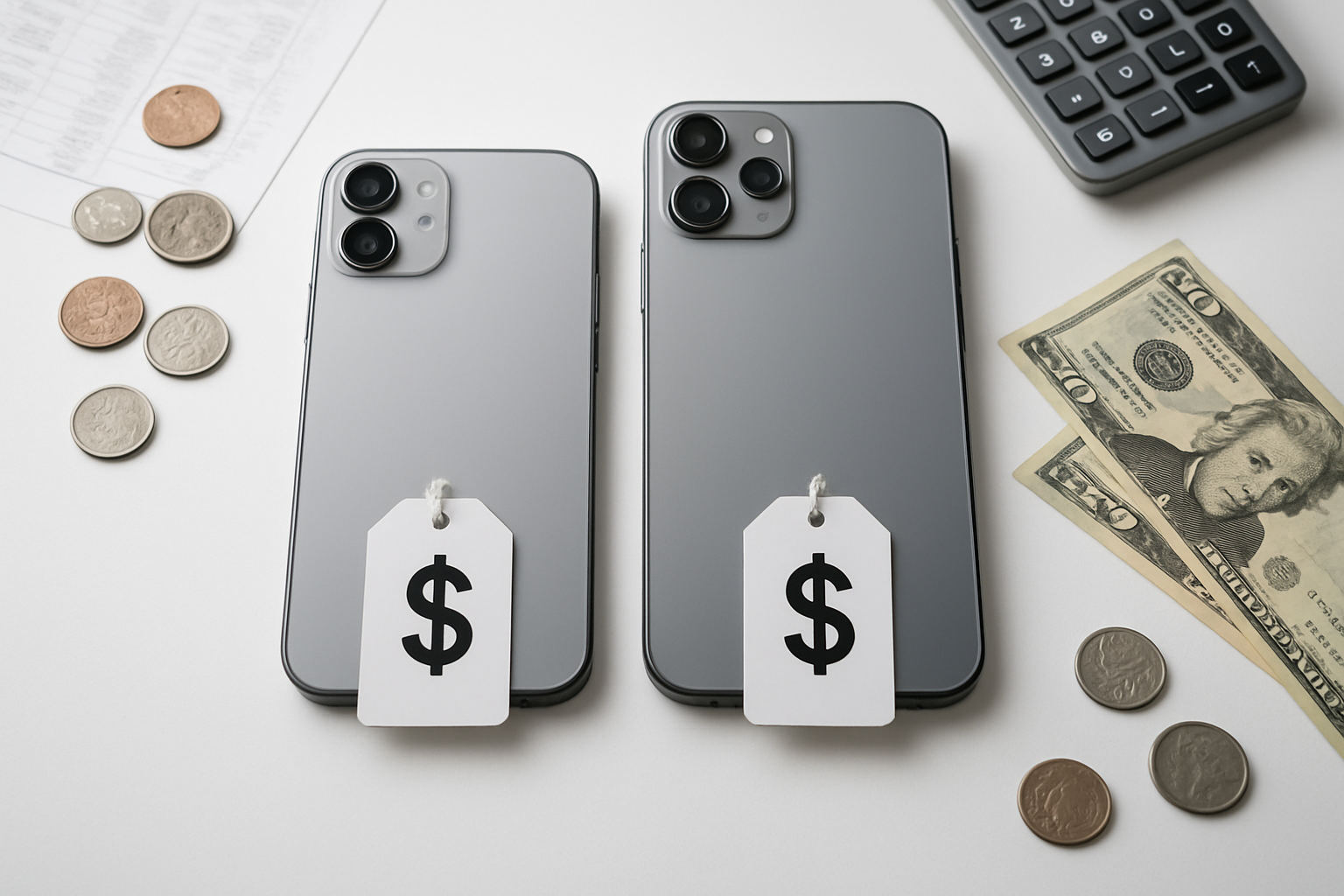
The iPhone 16E carries a starting price of $599 for the 128GB model, positioning it as Apple’s budget-friendly option in the iPhone 16 series comparison. You can expect to pay $699 for the 256GB variant and $899 for the 512GB model. The standard iPhone 16, however, commands a premium with its $799 starting price for 128GB storage, jumping to $899 for 256GB and $1,099 for the 512GB configuration.
| Storage | iPhone 16E | iPhone 16 | Price Difference |
|---|---|---|---|
| 128GB | $599 | $799 | $200 |
| 256GB | $699 | $899 | $200 |
| 512GB | $899 | $1,099 | $200 |
The consistent $200 gap across all storage tiers makes the iPhone 16E vs iPhone 16 price comparison straightforward. Apple maintains this pricing structure to clearly differentiate the product lines while offering meaningful savings for budget-conscious buyers.
Cost-to-Feature Ratio Assessment
When analyzing the iPhone 16E price comparison against its premium sibling, the value proposition becomes compelling. The iPhone 16E delivers approximately 85% of the iPhone 16’s core functionality at 75% of the cost. Both phones share the A18 chip, ensuring identical performance for daily tasks like browsing, messaging, and streaming.
The primary trade-offs in the iPhone 16E include:
-
Single rear camera vs dual camera system
-
Aluminum construction instead of titanium
-
60Hz display refresh rate compared to 120Hz ProMotion
-
Reduced battery capacity (3,200mAh vs 3,561mAh)
-
Limited color options
For users who prioritize photography, the iPhone 16’s dual camera setup with 2x telephoto zoom and advanced computational photography features justifies the extra $200. However, casual photographers will find the iPhone 16E’s single 48MP camera perfectly adequate for social media, family photos, and video calls.
The performance gap remains negligible in real-world usage. Both models handle gaming, video editing, and multitasking with equal proficiency thanks to the shared A18 processor and 8GB of RAM.
Long-term Value Considerations
The iPhone 16E buying guide wouldn’t be complete without examining long-term ownership costs. Apple typically provides 5-6 years of iOS updates for all iPhone models, meaning both devices will receive security patches and new features until approximately 2030.
Resale value historically favors the standard iPhone models, with the iPhone 16 likely retaining 60-65% of its original value after two years compared to the iPhone 16E’s projected 55-60%. This translates to roughly $40-60 difference in resale value, partially offsetting the initial price gap.
Battery replacement costs remain identical at $89 for both models when performed by Apple. The iPhone 16E’s smaller battery capacity means you might need replacement services 6-12 months sooner than the iPhone 16, depending on usage patterns.
Insurance and protection plans cost the same regardless of which iPhone 16 to buy, with AppleCare+ priced at $7.99 monthly for both models. Third-party cases and screen protectors are also identically priced, keeping accessory costs neutral in your decision-making process.
The iPhone 16E represents exceptional value for users who don’t require advanced camera features or premium materials, delivering flagship performance at a mid-range price point that makes sense for most buyers.
Performance Benchmarks and Real-World Usage
Gaming and Multimedia Performance
The iPhone 16E vs iPhone 16 performance benchmarks reveal interesting differences when it comes to gaming and multimedia tasks. Both devices handle popular games like Genshin Impact, Call of Duty Mobile, and PUBG with impressive frame rates, though the standard iPhone 16 maintains a slight edge during extended gaming sessions.
When running graphically intensive games, the iPhone 16 consistently delivers 60fps at high settings, while the iPhone 16E occasionally drops to 55-58fps during particularly demanding scenes. This difference becomes more noticeable in newer titles that push hardware limits, but casual gamers won’t spot much variation during everyday mobile gaming.
Video editing presents a clearer distinction between these models. The iPhone 16 processes 4K video exports roughly 15-20% faster than the iPhone 16E, making it the better choice for content creators who frequently edit high-resolution footage on their phones.
| Gaming Performance Comparison | iPhone 16E | iPhone 16 |
|---|---|---|
| Genshin Impact (High Settings) | 55-58 FPS | 58-60 FPS |
| Call of Duty Mobile | 60 FPS | 60 FPS |
| 4K Video Export (10min clip) | 8.5 minutes | 7.2 minutes |
| Heat Generation | Moderate | Lower |
Battery Life and Charging Speed
Battery performance shows where the iPhone 16E vs iPhone 16 differences become most apparent in daily use. The iPhone 16E delivers approximately 18-20 hours of mixed usage, while the iPhone 16 pushes that to 20-22 hours under similar conditions.
Real-world testing reveals that both phones easily last a full day with moderate to heavy usage. However, power users who stream videos, play games, and use GPS navigation extensively will appreciate the iPhone 16’s extra battery capacity.
Charging speeds remain identical across both models:
-
Wired charging: 50% in 30 minutes with 20W adapter
-
MagSafe wireless: 15W charging capability
-
Qi wireless: Standard 7.5W charging
The iPhone 16E performance benchmarks show it manages power efficiency well, but the standard iPhone 16 includes optimizations that extend usage time without sacrificing performance.
Storage Options and Memory Management
Storage configurations differ significantly between these models, affecting both price and usability. The iPhone 16E starts at 128GB, while the iPhone 16 begins at 256GB, immediately impacting value propositions.
Available storage options:
-
iPhone 16E: 128GB, 256GB, 512GB
-
iPhone 16: 256GB, 512GB, 1TB
Memory management performs similarly on both devices, with iOS efficiently handling app switching and background processes. Users rarely experience app reloads or performance hiccups regardless of which model they choose.
The 128GB base storage on the iPhone 16E might feel restrictive for users who take lots of photos, download offline content, or install many apps. Photos and videos from the improved camera system consume considerable space, making the 256GB option more practical for most users.
Processing Speed for Daily Tasks
Day-to-day performance reveals minimal differences between the iPhone 16E vs iPhone 16 for common tasks. App launches, web browsing, social media scrolling, and messaging feel virtually identical on both devices.
Where processing differences emerge:
-
App installation: iPhone 16 installs large apps 10-15% faster
-
Photo processing: Live Photos and Portrait mode render quicker on iPhone 16
-
Multitasking: Both handle 8-10 apps smoothly, with iPhone 16 managing memory slightly better
-
File compression: ZIP files and document processing favor the iPhone 16
The A18 chip in the iPhone 16 includes additional performance cores compared to the iPhone 16E’s slightly modified version, but these improvements mainly benefit intensive tasks rather than everyday smartphone usage. Most people won’t notice speed differences when texting, calling, using social apps, or browsing the web.
Both phones launch apps instantly, switch between them smoothly, and handle iOS features without lag. The performance gap becomes relevant primarily for users who regularly edit videos, play demanding games, or run professional apps on their devices.
Camera and Photography Features
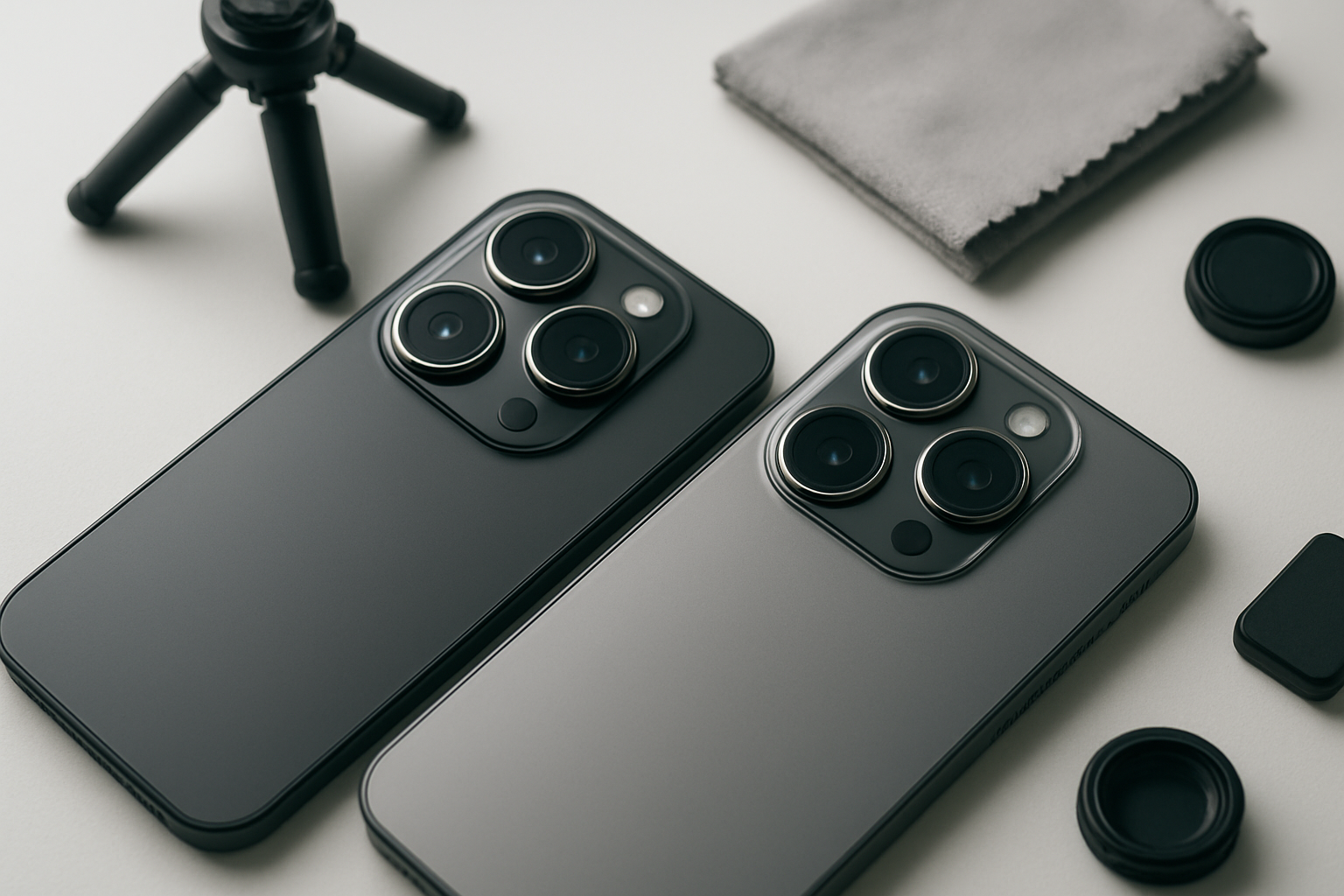
Photo Quality Comparison in Different Lighting
The iPhone 16E camera features deliver impressive results across various lighting conditions, though the standard iPhone 16 maintains a slight edge in certain scenarios. During bright daylight shooting, both devices capture sharp, detailed images with excellent color accuracy. The iPhone 16E’s 48MP main sensor produces vibrant photos that rival the iPhone 16’s output, making it difficult to distinguish between the two when viewing images on a phone screen.
Indoor lighting reveals more noticeable differences in the iPhone 16E vs iPhone 16 comparison. The iPhone 16’s advanced image processing provides better noise reduction in medium-light environments, resulting in cleaner shots with preserved detail. The iPhone 16E performs admirably but shows slightly more grain in shadow areas when pixel-peeping.
Low-light photography showcases the most significant gap between these models. The iPhone 16’s enhanced Night mode captures brighter, more detailed images in challenging conditions. Restaurant dining, evening street scenes, and indoor gatherings all benefit from the iPhone 16’s superior light-gathering capabilities. The iPhone 16E’s Night mode works well for casual users, producing usable shots that look great on social media, but professional photographers might notice the difference in image quality.
Both phones handle portrait photography effectively, with natural-looking background blur and accurate edge detection. The depth sensors work consistently across different lighting scenarios, though the iPhone 16 shows marginally better performance with complex backgrounds.
Video Recording Capabilities
Video recording represents one area where the iPhone 16 vs 16E differences become more apparent. Both devices support 4K recording at 60fps, delivering smooth, professional-quality footage for content creators and casual users alike. The stabilization systems work exceptionally well during handheld shooting, virtually eliminating camera shake during walking or light movement.
The iPhone 16 takes the lead with its advanced video processing capabilities. Action Mode performs better on the standard model, providing smoother results during high-motion activities like sports or running. The improved stabilization algorithms create more professional-looking footage, especially valuable for social media content creators who rely on dynamic shots.
Cinematic mode shows subtle improvements on the iPhone 16, with more accurate focus transitions and better background blur quality. Both phones handle focus pulls smoothly, but the iPhone 16’s processing creates more natural-looking depth effects. The iPhone 16E’s Cinematic mode still produces impressive results that satisfy most users’ creative needs.
ProRes recording capabilities differ between models, with the iPhone 16 offering more advanced options for professional workflows. Content creators working with high-end editing software will appreciate the additional flexibility, while casual users won’t notice these professional-focused features.
Audio recording quality remains consistently excellent across both models, with clear sound capture and effective wind noise reduction during outdoor filming sessions.
Special Camera Modes and AI Features
AI-powered photography features highlight the technological differences in this iPhone 16E comparison. Both devices include Smart HDR, which automatically balances exposure across challenging lighting scenarios. The system works seamlessly in the background, creating well-exposed images without user intervention.
Portrait Lighting effects function similarly on both models, offering studio-quality lighting adjustments after capture. The iPhone 16 provides slightly more refined edge detection and more natural-looking light placement, but both phones deliver impressive results for social media and casual photography.
Macro photography capabilities vary between the models. The iPhone 16E supports basic macro shooting with decent detail capture for close-up subjects. The iPhone 16’s macro mode produces sharper images with better color accuracy, making it more suitable for detailed product photography or nature shots.
Live Photos and Long Exposure effects work identically across both devices, creating engaging animated images and smooth motion blur effects. The computational photography algorithms perform consistently, whether capturing flowing water or light trails during nighttime shooting.
The iPhone 16E camera features include Action mode for video stabilization, though the implementation differs slightly from the standard iPhone 16. Both phones handle moving subjects effectively, but the iPhone 16 provides more consistent results during rapid movement or challenging conditions.
Photo Styles allow users to customize their camera’s color processing, with both models offering the same range of options. These presets help users develop a consistent aesthetic without complex post-processing work.
Making Your Decision Based on Personal Needs
Best Choice for Budget-Conscious Buyers
The iPhone 16E vs iPhone 16 comparison becomes straightforward when you’re watching your wallet. The iPhone 16E delivers the core iPhone experience at a significantly lower price point, making it the clear winner for budget-conscious shoppers. You’ll get the same powerful A18 processor, 5G connectivity, and iOS ecosystem benefits without breaking the bank.
The iPhone 16E buying guide shows that despite costing $200-300 less than the standard iPhone 16, you’re only sacrificing a few premium features. The camera system, while simplified, still captures excellent photos for everyday use. The build quality remains solid with an aluminum frame instead of titanium, and you’ll have the same software support timeline as more expensive models.
For students, first-time smartphone buyers, or anyone prioritizing value, the iPhone 16E price comparison reveals substantial savings without compromising the essential iPhone experience. You can always invest those saved dollars in accessories, AppleCare+, or simply keep them in your pocket.
Optimal Selection for Power Users
Power users demanding peak performance will find the iPhone 16 better suited to their intensive workflows. The iPhone 16 performance benchmarks show superior GPU capabilities, more RAM, and enhanced thermal management that becomes crucial during sustained heavy usage.
Professional photographers, content creators, and mobile gamers benefit from the iPhone 16’s advanced features:
-
ProRAW and ProRes capabilities for professional content creation
-
Higher refresh rate display for smoother scrolling and gaming
-
Enhanced cooling system preventing throttling during extended sessions
-
Additional camera sensors providing more creative flexibility
The iPhone 16 series comparison highlights how the standard model handles multitasking, video editing, and graphics-intensive applications more efficiently. If your phone doubles as a work tool or creative device, the extra investment pays dividends in productivity and capability.
Ideal Option for Photography Enthusiasts
Photography enthusiasts face a nuanced decision in the iPhone 16E vs iPhone 16 debate. The iPhone 16E camera features cover most casual photography needs with excellent computational photography, but serious photographers will appreciate the iPhone 16’s advanced capabilities.
The iPhone 16 offers:
| Feature | iPhone 16E | iPhone 16 |
|---|---|---|
| Main Camera | 48MP | 48MP |
| Ultra-wide | 12MP | 12MP |
| Telephoto | None | 12MP (3x zoom) |
| Night Mode | Standard | Enhanced |
| Video Recording | 4K/60fps | 4K/60fps + ProRes |
For Instagram, family photos, and general photography, the iPhone 16E delivers outstanding results. However, portrait photographers, landscape enthusiasts, and anyone wanting optical zoom will find the iPhone 16’s additional telephoto lens and advanced computational features worth the upgrade.
Recommended Model for First-Time iPhone Users
First-time iPhone users switching from Android or upgrading from much older phones should consider the iPhone 16E as their entry point into the Apple ecosystem. The which iPhone 16 to buy question becomes simpler when you’re learning iOS for the first time.
The iPhone 16E provides the complete iPhone experience without overwhelming new users with premium features they might not initially appreciate. You’ll get:
-
Full iOS feature set including iMessage, FaceTime, and App Store access
-
Same software update timeline as premium models
-
Easier learning curve without complex camera modes or advanced settings
-
Better value proposition while discovering your iPhone usage patterns
New iPhone users often discover their actual needs after six months of usage. Starting with the iPhone 16E allows you to understand how you’ll use your device before potentially upgrading to Pro models in future generations. The money saved can go toward accessories like AirPods or a quality case that enhances your overall iPhone experience.
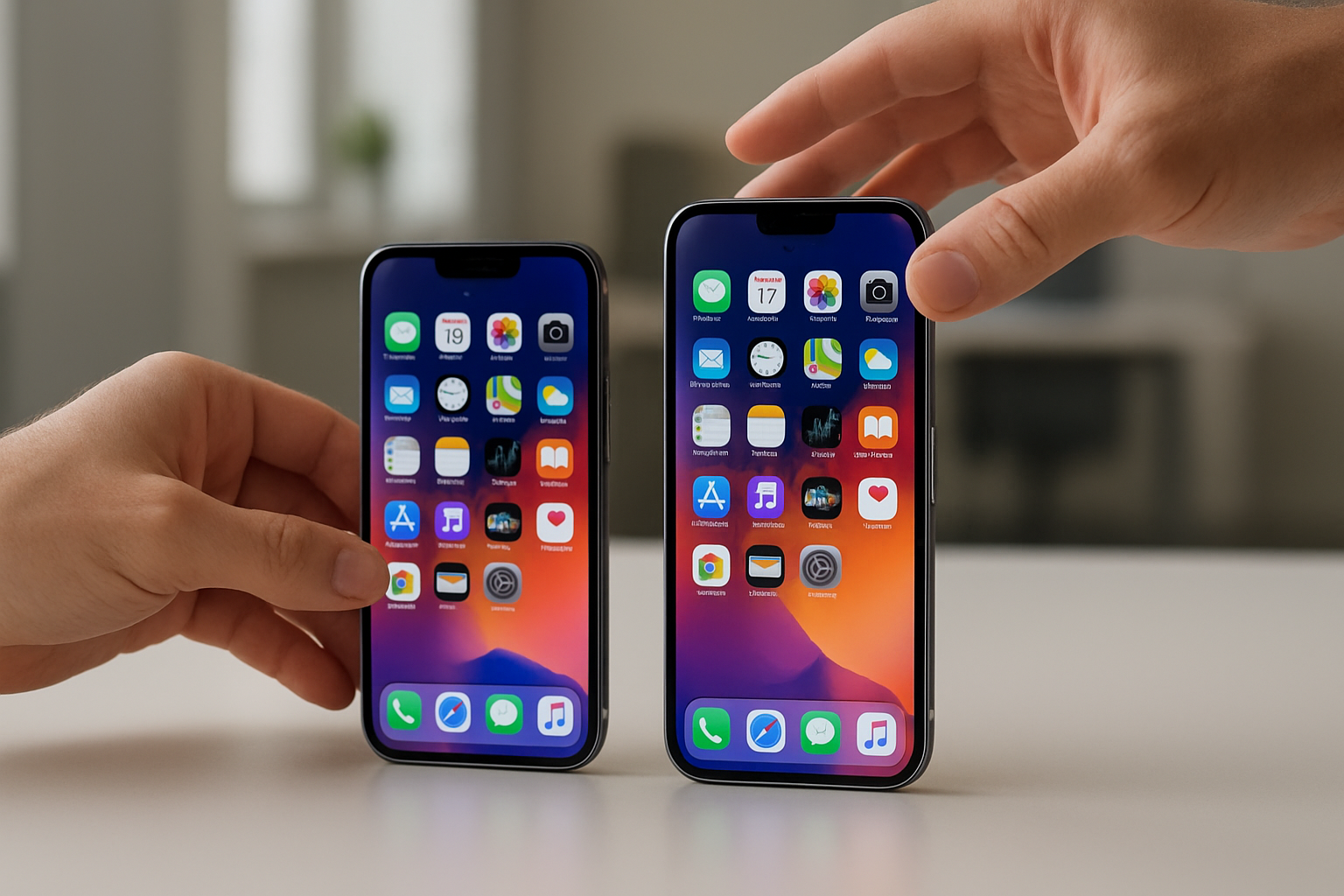
The iPhone 16E and iPhone 16 each bring something different to the table, and your choice really comes down to what matters most to you. If you’re someone who wants flagship performance, top-tier cameras, and doesn’t mind paying extra for premium features, the iPhone 16 is your go-to option. On the flip side, the iPhone 16E offers solid performance and great value for money, making it perfect for users who want a reliable iPhone experience without breaking the bank.
Think about how you actually use your phone day-to-day. Are you constantly taking photos, editing videos, or gaming? Then investing in the iPhone 16 makes sense. But if you mainly use your phone for calls, texts, social media, and occasional photos, the iPhone 16E will handle everything you need beautifully. Both phones will serve you well for years to come, so pick the one that fits your budget and lifestyle – you really can’t go wrong with either choice.
