

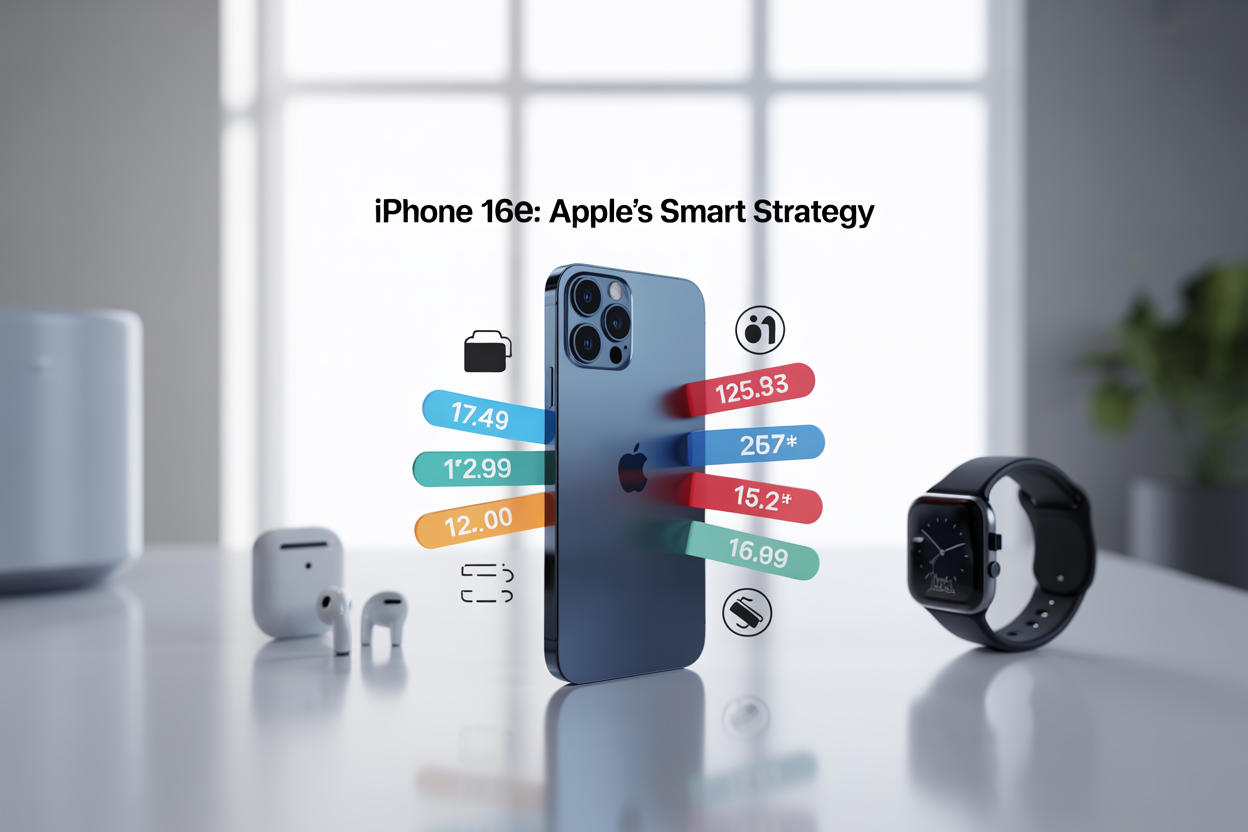
Apple might be planning its smartest strategic move in years with the rumored iPhone 16E. This potential budget smartphone could reshape how millions of people enter the Apple ecosystem without breaking the bank.
Who this matters for: Budget-conscious consumers waiting for an affordable iPhone, existing Android users considering their first Apple device, and anyone curious about Apple’s evolving pricing strategy in today’s competitive smartphone market.
The iPhone 16E represents more than just another budget phone release. We’ll explore how Apple could perfectly fill the current market gap left by discontinued budget options, examine the strategic pricing advantages that could outmaneuver Samsung and Google’s offerings, and analyze why the essential features included might justify a lower price point. We’ll also dive into how this move strengthens Apple’s ecosystem lock-in strategy and why the timing couldn’t be better for capturing price-sensitive customers in 2024’s smartphone landscape.
Apple’s approach with the iPhone 16E could fundamentally change how people think about premium features at accessible prices, making this launch one to watch closely.
Market Gap That iPhone 16E Could Fill Perfectly
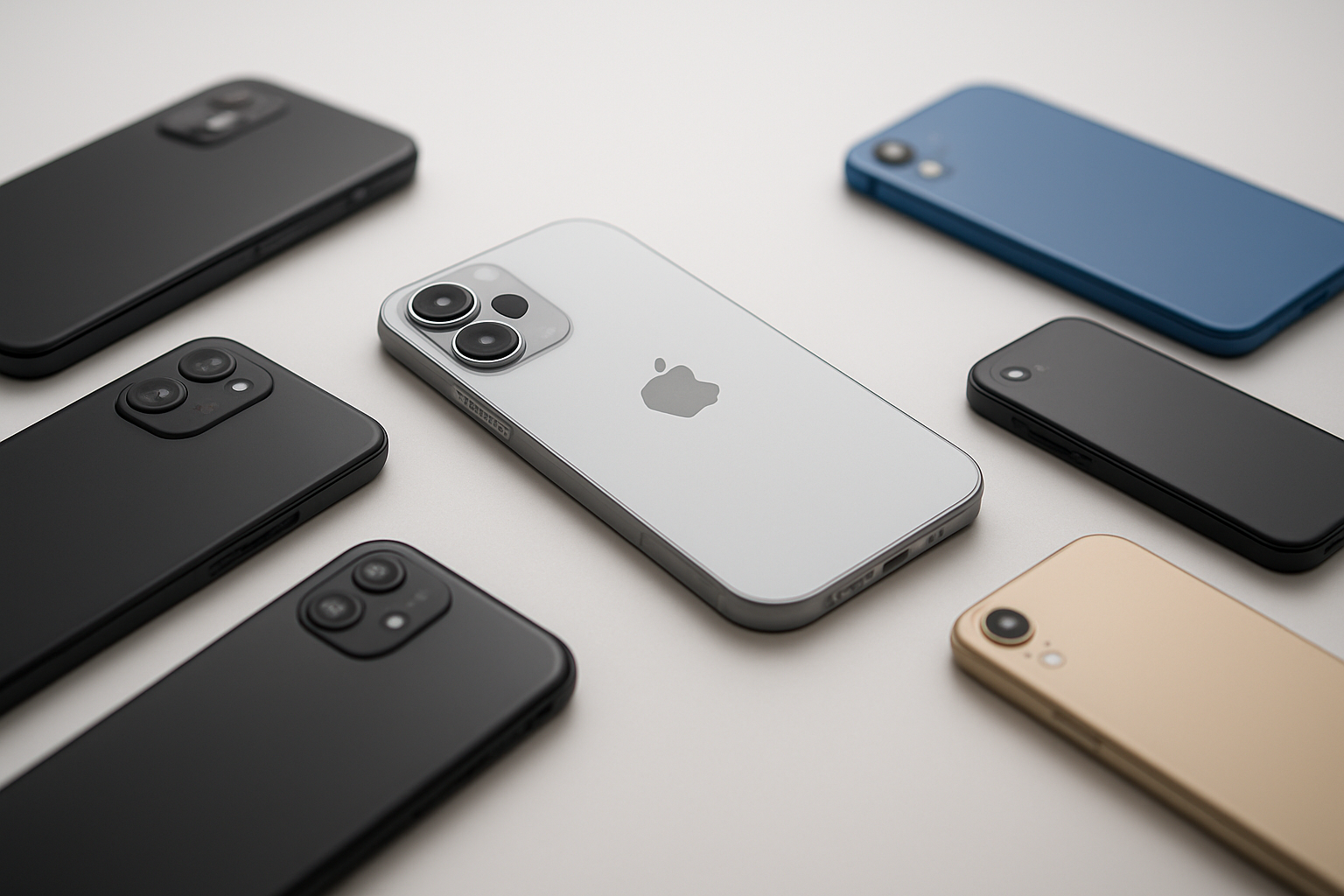
Budget-conscious consumers seeking premium Apple experience
The iPhone 16E represents Apple’s answer to millions of consumers who crave the iOS experience but find flagship pricing prohibitive. Current iPhone models start at $799, creating a significant barrier for price-sensitive buyers who still want genuine Apple quality. These consumers often settle for older refurbished models or cheaper Android alternatives, missing out on Apple’s latest features and security updates.
Market research reveals a substantial segment of potential iPhone users who earn between $35,000-$65,000 annually and view smartphones as essential tools rather than status symbols. They prioritize reliability, software support, and ecosystem integration over premium materials like titanium frames or professional camera systems. The iPhone 16E could capture this demographic by offering core iOS functionality, regular updates, and Apple’s renowned build quality at a more accessible price point.
Unlike budget Android phones that compromise heavily on performance and longevity, an affordable iPhone 16E would maintain Apple’s standards while strategically reducing costs through simplified designs and fewer premium features. This approach attracts consumers who understand value proposition – they’re willing to pay more than bargain-basement prices for guaranteed quality and longevity.
Android users hesitant to switch due to price barriers
Android users represent Apple’s largest untapped market opportunity, with price being the primary switching deterrent. Despite expressing interest in iPhone features like iMessage, FaceTime, and seamless device integration, many Android users cannot justify spending $800+ for entry-level iPhones when flagship Android devices offer comparable specs for less money.
The iPhone 16E could eliminate this friction by offering competitive pricing against premium Android models while delivering unique iOS advantages. Samsung Galaxy and Google Pixel users who currently pay $600-$700 for their devices would find the transition more palatable with similarly priced iPhone options. These potential switchers already invest in quality smartphones – they just need pricing parity to make the leap.
Converting Android users becomes exponentially valuable for Apple because smartphone switching typically involves ecosystem migration. Once users experience seamless AirPods connectivity, iCloud synchronization, and Apple Watch integration, they rarely return to Android. The iPhone 16E serves as a gateway drug to Apple’s broader ecosystem, potentially generating years of additional revenue through services, accessories, and future device upgrades.
Emerging markets with growing smartphone adoption
Emerging markets present massive growth opportunities where the iPhone 16E could establish Apple’s presence without competing directly on rock-bottom pricing. Countries like India, Brazil, Mexico, and Eastern European nations show rapidly increasing smartphone penetration rates, but flagship iPhone prices remain unrealistic for most consumers.
Local market dynamics favor affordable premium options over ultra-budget devices. Middle-class consumers in these regions often view smartphones as long-term investments and prefer brands with strong reputations for reliability and software support. The iPhone 16E could position Apple as accessible luxury rather than unattainable premium, appealing to aspirational buyers who want recognizable quality.
Government and enterprise adoption in emerging markets also benefits from competitively priced iPhones. Educational institutions, healthcare systems, and growing businesses need reliable, secure devices but operate under tight budget constraints. An iPhone 16E could win institutional contracts that currently go to Android manufacturers, establishing Apple’s presence for future expansion.
Distribution partnerships become more viable with moderate pricing. Carriers and retailers in price-sensitive markets can promote iPhone 16E models with reasonable financing options, making Apple devices accessible to broader customer bases.
Students and young professionals needing reliable devices
Students and early-career professionals represent Apple’s future customer base, but current pricing often forces them toward Android alternatives during crucial life stages. College students, recent graduates, and young professionals need dependable smartphones for productivity, communication, and professional development, but rarely have budgets exceeding $500-$600 for devices.
This demographic values software longevity, security, and professional appearance over cutting-edge features they may never use. An iPhone 16E would appeal to students who need devices lasting throughout college years and young professionals building their careers. These users benefit enormously from iOS stability, regular updates, and seamless integration with MacBooks commonly used in educational and professional settings.
The psychological impact of carrying an iPhone also matters for young professionals entering competitive job markets. While superficial, brand perception affects networking opportunities and professional confidence. An affordable iPhone 16E removes financial barriers while maintaining the professional image many young workers seek.
Educational discounts could make the iPhone 16E even more attractive to students, potentially creating lifelong Apple customers. Young users who start with budget iPhones typically upgrade to premium models as their incomes increase, making this demographic investment in Apple’s long-term growth strategy rather than just immediate revenue generation.
Strategic Pricing Advantages Over Competition
Undercutting Flagship Android Competitors Significantly
The iPhone 16E price positioning could deliver a knockout punch to premium Android devices. Samsung’s Galaxy S24 and Google’s Pixel 8 Pro typically launch at $800-$1,200, while the iPhone 16E would likely hit the market between $399-$499. This massive pricing gap creates an interesting dynamic where consumers get Apple’s proven ecosystem benefits without the flagship tax.
Android manufacturers have struggled with this exact scenario before. When Apple drops prices dramatically, as seen with previous iPhone SE models, Android brands find themselves caught between maintaining premium margins and staying competitive. The iPhone 16E specs would likely include Apple’s latest A-series chip, ensuring performance that matches or exceeds many flagship Android devices at half the price.
This pricing strategy particularly impacts Samsung’s mid-to-premium Galaxy A series, which sits in similar price ranges but can’t match Apple’s processing power or long-term software support. Google’s mid-range Pixel offerings face similar pressure, especially when Apple adds features like advanced camera capabilities and seamless integration with other Apple devices.
Creating Clear Value Proposition Against Mid-Range Rivals
Mid-range smartphone competitors face their biggest challenge yet with the potential iPhone 16E launch. Brands like OnePlus, Motorola, and Nothing have built reputations on delivering flagship features at reasonable prices, but they’ve never faced direct competition from Apple in this space.
The iPhone 16E vs iPhone 16 comparison becomes crucial here. While the standard iPhone 16 targets premium buyers, the 16E model would strip away luxury features while keeping core functionality intact. This creates a value proposition that mid-range Android devices simply can’t match – genuine Apple ecosystem integration at competitive pricing.
Consider the typical mid-range Android phone buyer’s dilemma: they want premium features but can’t justify flagship prices. The iPhone 16E case becomes compelling when you factor in Apple’s track record of 5-6 years of iOS updates compared to Android’s typical 2-3 years. Even budget-conscious consumers recognize the long-term value of extended software support.
Mid-range competitors also struggle with app optimization and security updates. Apple’s tight hardware-software integration means even budget iPhones run more efficiently than many higher-priced Android alternatives. The iPhone 16E size would likely match the standard iPhone, giving users a premium feel without premium pricing.
Establishing Affordable Entry Point to Apple Ecosystem
Apple’s ecosystem lock-in strategy gets supercharged with an affordable iPhone 16E model. Currently, budget-conscious consumers often choose Android by default, missing out on seamless integration with AirPods, MacBooks, iPads, and Apple Watch. The iPhone 16E changes this equation completely.
Once users experience features like AirDrop, Handoff, and Universal Clipboard, switching back to Android becomes increasingly difficult. Apple knows that smartphone ecosystem benefits create lifetime customers, not just single-purchase buyers. The iPhone 16E serves as a gateway drug to the broader Apple universe.
This strategy particularly targets young professionals and students who might start with the iPhone 16E but eventually upgrade to MacBooks for work or iPads for creativity. Each additional Apple device increases switching costs and deepens ecosystem dependence. The affordable iPhone pricing removes the biggest barrier preventing Android users from experiencing this integration firsthand.
Apple’s timing couldn’t be better for this approach. Competitors like Samsung have struggled to create cohesive ecosystem experiences across phones, tablets, watches, and laptops. Even Google’s ecosystem feels fragmented compared to Apple’s seamless connectivity. The iPhone 16E price point makes this superior ecosystem accessible to millions of price-sensitive consumers who previously felt locked out of Apple’s premium world.
Smart accessories also benefit from this strategy. AirPods sales could surge as new iPhone 16E owners discover the magic of automatic pairing and switching between devices. Apple Watch adoption might accelerate as users realize the health and productivity benefits of wrist-based notifications and apps.
Essential Features That Justify Lower Price Point
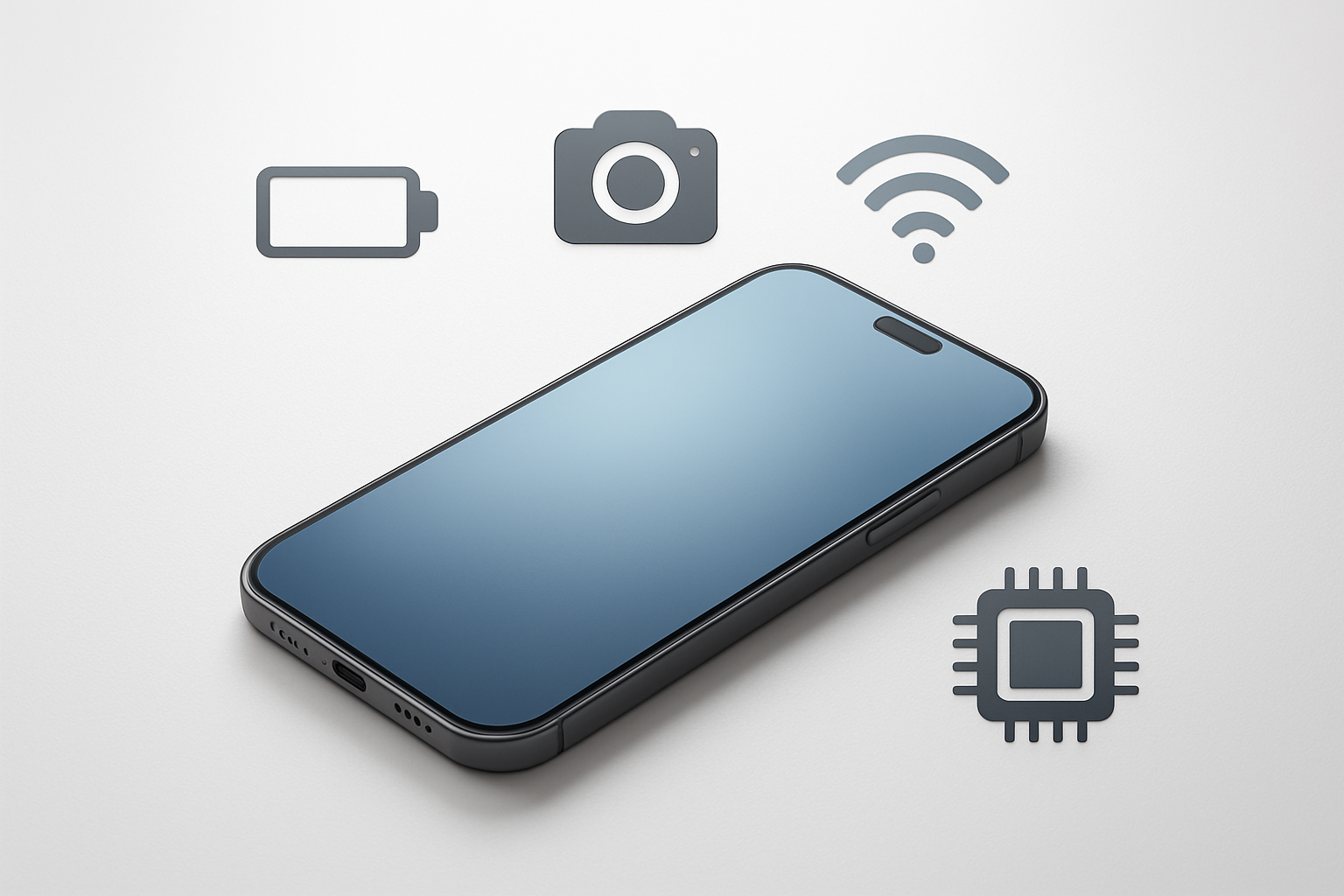
Proven A-series chip delivering flagship performance
The iPhone 16E’s most compelling feature lies in its processor – Apple’s proven A-series chip that delivers true flagship performance at an affordable price point. While competitors struggle to balance cost and capability, Apple’s vertical integration allows them to include chips that would cost hundreds more in Android devices. The A16 or A17 chip expected in the iPhone 16E has already proven its mettle in previous flagship models, offering seamless multitasking, excellent gaming performance, and years of reliable operation.
This performance advantage becomes especially noticeable during demanding tasks like video editing, gaming, or running multiple apps simultaneously. Users won’t experience the stuttering or lag common in budget Android phones, creating a premium experience that justifies the iPhone ecosystem investment. The chip’s efficiency also translates to better battery life and thermal management, two critical factors often compromised in budget smartphones.
Reliable camera system meeting everyday photography needs
Photography represents another area where the iPhone 16E specs shine against budget competition. Apple’s camera philosophy focuses on computational photography rather than megapixel counts, meaning the 16E’s camera system will likely capture better photos than many flagship Android devices costing twice as much.
The expected camera setup includes:
-
Main sensor: Proven 48MP wide camera with excellent low-light performance
-
Computational photography: Night mode, Portrait mode, and Smart HDR
-
Video capabilities: 4K recording with stabilization typically reserved for premium phones
-
Software optimization: Deep iOS integration for instant sharing and editing
Real-world performance matters more than spec sheets, and Apple’s track record shows their budget phones consistently outperform similarly-priced Android alternatives in blind camera tests. The seamless integration with Photos app and iCloud creates a photography workflow that Android competitors struggle to match.
iOS integration maintaining premium software experience
The iPhone 16E’s software experience represents perhaps its greatest value proposition. Unlike Android budget phones that often ship with outdated software and receive minimal updates, the iPhone 16E will launch with the latest iOS version and receive at least five years of regular updates.
This software support includes:
-
Security updates: Monthly patches protecting against evolving threats
-
Feature updates: New capabilities typically reserved for premium devices
-
App compatibility: Access to iOS-exclusive apps and services
-
Performance optimization: Regular improvements maintaining smooth operation
The iOS ecosystem benefits extend beyond the phone itself. Seamless integration with Mac, iPad, Apple Watch, and AirPods creates a connected experience that budget Android phones simply cannot replicate. Features like Handoff, AirDrop, and Universal Clipboard work flawlessly across Apple devices, adding significant value to the overall package.
Build quality exceeding expectations in price category
Apple’s commitment to build quality remains uncompromised even in budget offerings. The iPhone 16E case market already shows expectations for premium materials and construction, suggesting Apple won’t compromise on physical design despite the lower iPhone 16E price point.
Expected build quality features include:
| Component | iPhone 16E | Typical Budget Android |
|---|---|---|
| Materials | Aluminum frame, glass back | Plastic construction |
| Water resistance | IP67 rating | IP54 or no rating |
| Display | Ceramic Shield protection | Basic glass |
| Durability | Multi-year lifespan | 1-2 year expected use |
The attention to detail in materials, fit, and finish creates a device that feels premium despite its budget positioning. This quality extends the phone’s usable lifespan, making the iPhone 16E vs iPhone 16 comparison less about immediate features and more about long-term value. Users can confidently expect their device to maintain its appearance and functionality for years, unlike budget alternatives that often show wear within months.
Ecosystem Lock-in Benefits for Apple’s Long-term Strategy
Converting new users into loyal Apple customers
The iPhone 16E represents Apple’s golden opportunity to capture budget-conscious consumers who have been sitting on the Android fence. By offering an affordable entry point into the iPhone ecosystem, Apple can attract millions of first-time iPhone users who previously couldn’t justify the premium price tags of flagship models.
Once users experience iOS features like iMessage, FaceTime, and seamless device integration, switching back to Android becomes increasingly difficult. The iPhone 16E acts as a strategic gateway drug – users start with a budget-friendly device but quickly appreciate the polish and reliability that defines the Apple experience. This emotional connection to the brand often translates into lifelong customer loyalty.
Apple’s ecosystem lock-in strategy works particularly well because the iPhone 16E won’t feel like a compromise. Users get genuine iOS features, regular software updates, and access to the same App Store as flagship users, creating a consistent brand experience that builds trust and satisfaction.
Driving sales of accessories and services
Every iPhone 16E sold opens multiple revenue streams beyond the initial device purchase. Apple’s accessory ecosystem – from AirPods to Apple Watches to MagSafe chargers – becomes instantly relevant to these new users. Budget-conscious customers who saved money on their iPhone often find themselves willing to invest in premium accessories that enhance their experience.
The psychological effect is powerful: users feel they’ve gotten a great deal on their phone, leaving room in their budget for add-ons. AirPods sales could see significant boosts as iPhone 16E users discover the convenience of wireless audio. Apple Watch adoption also increases when users already own an iPhone, creating another recurring revenue opportunity through health monitoring and fitness tracking features.
Service subscriptions represent another major opportunity. iCloud storage, Apple Music, and Apple TV+ become natural extensions of the iPhone experience. Users who start with free tiers often upgrade to paid plans as their digital lives expand around Apple’s ecosystem.
Increasing App Store revenue through expanded user base
The App Store operates on volume, and the iPhone 16E could dramatically expand Apple’s addressable market. More iPhone users means more app downloads, in-app purchases, and subscription services – all generating Apple’s lucrative 15-30% commission.
Budget smartphone users aren’t necessarily budget app users. Many consumers who choose affordable hardware still spend freely on mobile gaming, productivity apps, and entertainment subscriptions. By bringing these users into the iOS ecosystem, Apple taps into spending patterns that were previously flowing to Google Play Store.
The cumulative effect is substantial. Even if iPhone 16E users spend slightly less per person on apps compared to flagship iPhone owners, the sheer volume of new users could generate hundreds of millions in additional App Store revenue annually. This recurring income stream provides long-term value that far exceeds the initial hardware margins.
Setting foundation for future device upgrades
The iPhone 16E creates a natural upgrade path within Apple’s ecosystem. Users who start with the budget model typically upgrade to higher-end iPhones within 2-3 years as their needs evolve or financial situations improve. This upgrade cycle generates predictable revenue streams and strengthens customer lifetime value.
Apple’s trade-in programs make these upgrades financially attractive, allowing iPhone 16E users to put their device value toward a newer model. This creates a continuous cycle where Apple retains customers while encouraging regular hardware refreshes.
The timing works perfectly with Apple’s product release schedule. iPhone 16E users who purchase in 2024 will likely be ready to upgrade just as Apple launches next-generation features like improved cameras, faster processors, or new design languages. This natural upgrade rhythm keeps users engaged with Apple’s latest innovations while maintaining their ecosystem investment.
Timing Advantages in Current Smartphone Market
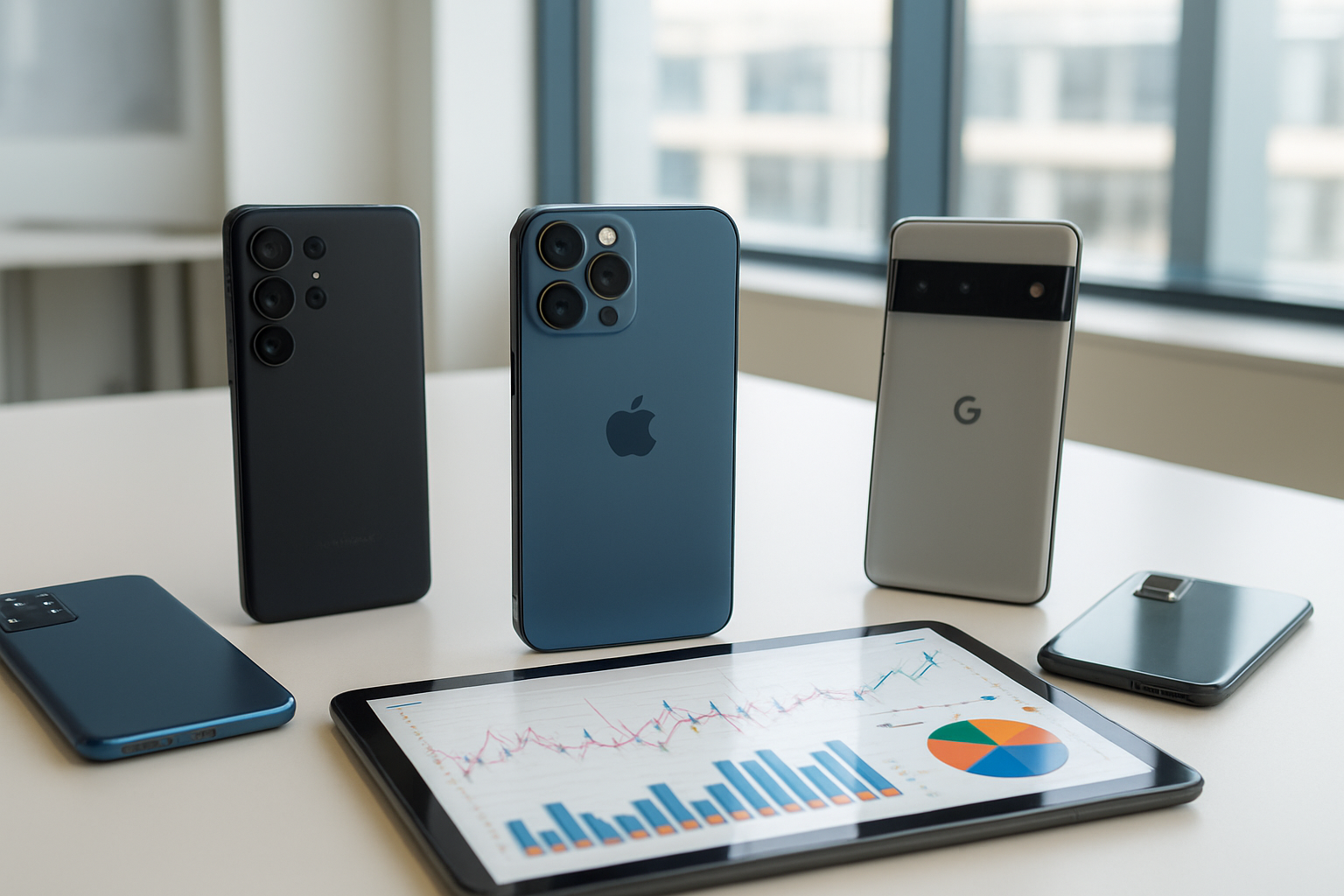
Economic pressures making affordable options more attractive
Global economic uncertainty has shifted consumer priorities dramatically. With inflation affecting household budgets worldwide, people are holding onto their smartphones longer and becoming more price-conscious when upgrade time arrives. The iPhone 16E arrives at exactly the right moment to capture this budget-aware demographic.
Recent market data shows consumers are keeping their phones for an average of 3.5 years, up from 2.5 years just five years ago. This extended replacement cycle creates pent-up demand among users whose aging devices are finally showing their age. The iPhone 16E price point would make upgrading more palatable for millions of users who want iOS but can’t justify spending $800+ on a flagship model.
Apple’s timing here is brilliant. While premium phone sales have plateaued, the sub-$500 segment continues growing. The 16E iPhone could tap into the massive Android user base that’s been priced out of Apple’s ecosystem, offering them an affordable entry point during economically challenging times.
Market saturation requiring new growth strategies
The premium smartphone market has hit a wall. Most people who wanted a high-end phone already have one, and replacement cycles keep lengthening. Apple needs new ways to grow, and the Apple iPhone 16E represents a smart pivot toward volume sales rather than just premium margins.
Saturated markets reward companies that can reach new customer segments. Apple’s current lineup leaves a massive gap between the aging iPhone SE and the iPhone 15, creating an opportunity for competitors to capture budget-conscious users. The iPhone 16E specs positioned between these two extremes could recapture lost market share.
This strategy mirrors what worked for Apple in other product categories. The iPad (non-Pro) models and Apple Watch SE proved that Apple can successfully operate in multiple price tiers without cannibalizing premium sales. The iPhone 16E case study could become similarly successful by targeting different user needs rather than competing directly with flagship models.
Competition from Chinese manufacturers intensifying
Chinese brands like Xiaomi, OnePlus, and Nothing have been eating Apple’s lunch in the mid-range segment. These manufacturers offer impressive specs at prices that make the current iPhone lineup look overpriced. The iPhone 16E vs iPhone 16 comparison would finally give Apple a competitive response.
Xiaomi’s global expansion and OnePlus’s growing market presence pose real threats to Apple’s ecosystem growth. These brands offer premium-feeling phones with modern features at iPhone SE successor pricing. Without the iPhone 16E, Apple risks losing an entire generation of potential customers who might never enter the iOS ecosystem.
The window for Apple to respond is narrowing. Chinese manufacturers are improving quality while maintaining aggressive pricing, making their phones increasingly attractive to Western consumers. The iPhone 16E size and feature set need to match what competitors offer while leveraging Apple’s ecosystem advantages to justify any price premium.
The iPhone 16E represents Apple’s potential masterstroke in capturing a massive untapped market segment. By offering essential features at a competitive price point, Apple could finally provide an entry path for budget-conscious consumers who’ve been waiting on the sidelines. The strategic pricing would put real pressure on Android competitors while still maintaining the premium experience Apple is known for.
What makes this move brilliant is the long-term thinking behind it. Getting users into the Apple ecosystem early means they’re likely to stick around for future upgrades and services. With the smartphone market becoming increasingly saturated, now’s the perfect time for Apple to expand its reach without compromising its brand. If Apple pulls this off, the iPhone 16E won’t just be another phone launch – it’ll be the move that secures their dominance for the next decade.

1 Comment
Pingback: iPhone 16E vs iPhone 16: How to Choose the Right Model