


Building your dream garage workshop doesn’t have to break the bank or overwhelm you with countless options. For DIY enthusiasts ready to take their projects to the next level, having the right ACME tools for DIY makes all the difference between frustrating failures and satisfying successes.
This guide breaks down the seven must-have tool categories that every home workshop needs. We’ll walk through essential DIY tools garage setups require, from game-changing power tools that slash project time in half to precision hand tools that help you nail those tricky detail jobs. You’ll also discover smart DIY tool organization garage solutions that keep everything within reach and learn practical investment strategies that stretch your budget without sacrificing quality.
Ready to transform your garage into a DIY powerhouse? Let’s dive into the tools that will make your next project your best one yet.
Essential Power Tools for Maximum Efficiency
Cordless Drill for Versatile Drilling and Driving
When you’re setting up your garage workshop, a quality cordless drill tops the list of essential DIY tools garage enthusiasts swear by. The freedom from tangled cords transforms how you approach projects, whether you’re building shelves or assembling furniture. Modern cordless drills pack serious power in compact designs, making them perfect for everything from pilot holes to driving screws into hardwood.
Look for drills with brushless motors – they run cooler, last longer, and deliver more torque per battery charge. Battery voltage matters too. While 12V models work fine for light tasks, 18V or 20V drills handle demanding jobs without breaking a sweat. The clutch system prevents overdriving screws and protects your materials from damage.
Variable speed triggers give you precise control, starting slow for accurate hole placement and ramping up for faster drilling. Many models include built-in LED lights that illuminate your work area, especially helpful when working in dimly lit corners of your garage.
Key features to prioritize:
- Brushless motor technology
- 18V or higher battery platform
- Multiple clutch settings
- Keyless chuck for quick bit changes
- Ergonomic grip design
Circular Saw for Precise Straight Cuts
Nothing beats a circular saw for breaking down lumber and sheet goods efficiently. These DIY power tools beginners often underestimate become game-changers once you experience their speed and accuracy. A good circular saw transforms tedious hand-cutting tasks into quick, professional-looking results.
Blade size determines cutting capacity – 7¼-inch blades handle most DIY projects, cutting through 2x lumber at 90 degrees and 1½-inch stock at 45-degree bevels. Cordless models offer incredible convenience, eliminating the need for extension cords and allowing you to work anywhere in your garage or yard.
The base plate quality directly impacts cut accuracy. Look for stamped steel or cast magnesium plates that stay flat under pressure. Adjustable bevel capabilities let you make angled cuts up to 50 degrees, perfect for trim work and specialty joints.
Safety features like blade guards and electric brakes protect you from accidents. Some models include rafter hooks for convenient storage between cuts, while others feature dust ports for connecting shop vacuums.
Essential specifications to consider:
- 7¼-inch blade diameter
- Lightweight magnesium construction
- Electric brake system
- Dust collection port
- Accurate bevel adjustment scale
Multi-Tool for Hard-to-Reach Spaces
Oscillating multi-tools excel where other power tools can’t reach. Their compact size and precise cutting action make them perfect for detail work, repairs, and modifications in tight spaces. The oscillating motion generates minimal vibration while delivering surprising cutting power through various materials.
These versatile tools accept dozens of different attachments – cutting blades for wood and metal, sanding pads for smoothing surfaces, scrapers for removing old caulk or paint, and grout removal tools for tile work. The quick-change attachment systems on modern models let you swap accessories in seconds without tools.
Plunge cutting capabilities set multi-tools apart from other saws. You can start cuts in the middle of materials without drilling pilot holes, perfect for cutting outlet openings in drywall or removing damaged flooring sections. The narrow blade profiles fit into spaces where circular saws and reciprocating saws simply won’t work.
Variable speed controls match cutting speeds to different materials. Soft woods cut cleanly at higher speeds, while metals and plastics need slower speeds to prevent blade overheating. Many models include work lights and dust collection adapters for cleaner operation.
Most useful attachments include:
- Wood cutting blades (fine and aggressive teeth)
- Metal cutting blades
- Sanding triangles and detail sanders
- Flexible scrapers
- Grout removal tools
The oscillating action produces smooth, controlled cuts with minimal material waste, making these tools essential for precision work where accuracy matters more than speed.
Precision Hand Tools for Detail Work
Adjustable Wrench Set for Multiple Bolt Sizes
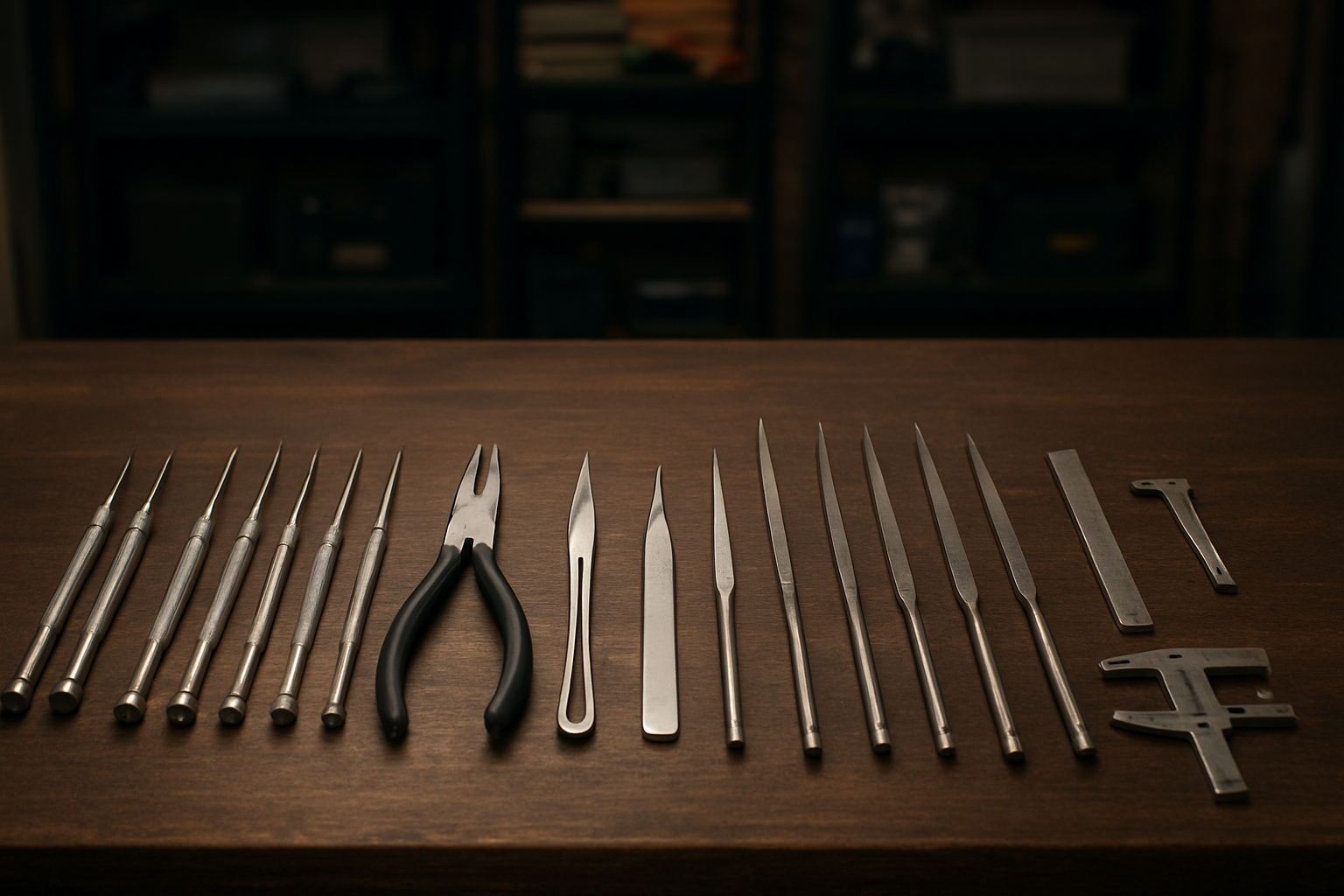
Every DIY garage needs a reliable set of adjustable wrenches that can tackle everything from plumbing repairs to furniture assembly. ACME’s adjustable wrench collection stands out because these essential DIY tools garage residents depend on come with smooth jaw adjustment mechanisms and comfortable grips that won’t slip during use.
The beauty of adjustable wrenches lies in their versatility. Instead of carrying around a massive collection of fixed-size wrenches, you can handle most bolt and nut sizes with just two or three quality adjustable wrenches. A 6-inch wrench handles smaller fasteners, while a 10-inch version tackles medium-sized bolts, and a 12-inch wrench provides the leverage needed for larger hardware.
When selecting your set, pay attention to the jaw opening capacity and the smoothness of the adjustment mechanism. Quality wrenches maintain their grip without slipping, and the jaws stay parallel even under pressure. The knurled adjustment wheel should turn easily but hold its position securely once set.
Level for Perfect Alignment Every Time
Nothing ruins a project faster than crooked shelves or tilted picture frames. A quality level becomes one of your most-used precision hand tools DIY projects demand. ACME levels feature multiple bubble vials for horizontal, vertical, and 45-degree angle measurements, making them incredibly versatile for various applications.
Professional-grade levels include magnetic strips along one edge, allowing hands-free positioning against metal surfaces like electrical boxes or steel studs. The aluminum construction provides durability without excessive weight, while high-visibility bubble vials make readings easy even in poor lighting conditions.
Different projects call for different level lengths. A 24-inch level works perfectly for hanging pictures and installing shelves, while a 48-inch level ensures accuracy when installing larger items like cabinets or checking floor flatness. Some DIYers also keep a small torpedo level handy for tight spaces and quick checks.
Measuring Tape for Accurate Dimensions
Accurate measurements form the foundation of successful DIY projects. A high-quality measuring tape saves time, reduces material waste, and prevents costly mistakes. ACME measuring tapes feature standout capabilities that allow the tape to extend several feet without bending, making solo measurements much easier.
Look for tapes with clear, easy-to-read markings and a durable case that can survive garage workshop environments. The tape blade should have a protective coating to resist wear and tear from repeated use. A sturdy end hook that stays square and true ensures consistent measurements whether you’re pushing or pulling against a surface.
Most DIY projects work well with a 25-foot tape, though having a compact 12-foot version for detailed work and a longer 35-foot tape for larger projects covers most situations. Some advanced models include magnetic end hooks for metal surfaces and dual-sided printing for upside-down reading.
Utility Knife for Clean Material Cuts
A sharp utility knife handles countless cutting tasks that would otherwise require specialized tools. From opening packages to scoring drywall, trimming materials to cutting through tape and cardboard, this versatile tool earns its place in every DIYer’s toolkit.
ACME utility knives feature retractable blades with multiple locking positions for safety and control. The ergonomic handle design reduces hand fatigue during extended use, while the blade storage compartment keeps extra blades readily available. Quick-change mechanisms allow blade replacement without tools.
Choose knives with break-away blade segments for consistently sharp cutting edges. Heavy-duty models with metal construction handle tougher materials, while lightweight versions excel at precision work. Always keep the blade sharp – dull blades require more pressure and are actually more dangerous than sharp ones because they’re more likely to slip.
Safety Equipment for Worry-Free Projects
Safety Glasses for Eye Protection
Your eyes are irreplaceable, and ACME safety glasses should be the first piece of DIY safety equipment essentials you grab before starting any project. Flying debris, wood chips, metal shavings, and chemical splashes pose constant threats in garage workshops. Standard reading glasses or sunglasses won’t cut it – you need impact-resistant lenses that meet ANSI Z87.1 safety standards.
ACME offers wraparound safety glasses that provide peripheral protection while maintaining clear vision. Look for polycarbonate lenses that resist shattering and offer UV protection for outdoor projects. Anti-fog coatings prevent condensation buildup during intense work sessions, while adjustable temples ensure a secure fit that won’t slip during overhead tasks.
Consider different lens options for various projects: clear lenses for general use, tinted versions for bright outdoor work, and yellow-tinted glasses for low-light conditions. Side shields add extra protection when grinding or cutting materials that create sparks.
Key features to prioritize:
- Impact-resistant polycarbonate lenses
- Wraparound design for full coverage
- Anti-fog and anti-scratch coatings
- Adjustable nose pieces and temples
- ANSI Z87.1+ certification
Work Gloves for Hand Safety
Your hands handle every tool and material in your garage workshop, making proper glove selection critical for both safety and dexterity. ACME work gloves come in specialized designs tailored to different tasks, from heavy lifting to precision work requiring tactile sensitivity.
Leather gloves excel for rough carpentry, welding, and handling abrasive materials. The natural material provides excellent grip while protecting against cuts, punctures, and heat. For electrical work, choose rubber or nitrile-insulated gloves rated for appropriate voltage levels.
Mechanics gloves feature synthetic materials with reinforced fingertips and palms, offering superior grip on tools while maintaining flexibility. These work exceptionally well for automotive projects and detailed assembly tasks where you need to feel what you’re doing.
Cut-resistant gloves incorporate high-performance fibers like Kevlar or HDPE, providing protection against sharp blades while allowing finger movement. These prove invaluable when handling sheet metal, glass, or doing detail knife work.
Glove selection guide:
- Heavy construction: Full leather with reinforced palms
- Electrical work: Rubber-insulated, voltage-rated
- Precision tasks: Nitrile-coated fingertips for grip
- Chemical handling: Chemical-resistant nitrile or neoprene
- General DIY: Synthetic leather with breathable backs
Dust Mask for Respiratory Health
Airborne particles in your garage can cause immediate discomfort and long-term health issues. ACME dust masks and respirators protect against everything from sawdust to paint fumes, making them indispensable DIY safety equipment essentials for any home workshop tools list.
Basic dust masks work for light sanding and sweeping, but serious DIYers need N95 or P100 respirators for comprehensive protection. N95 masks filter 95% of airborne particles, suitable for most woodworking and drywall projects. P100 respirators capture 99.97% of particles and resist oil-based contaminants, making them ideal for spray painting or working with treated lumber.
Half-face respirators with replaceable cartridges offer the best protection for regular workshop use. These accommodate different filter types: particulate filters for dust, organic vapor cartridges for paint fumes, and combination filters for mixed environments. The sealed design prevents air bypass around the edges, ensuring all incoming air passes through the filtration system.
Comfort matters during extended use. Look for models with soft face seals, adjustable straps, and low breathing resistance. Some feature cool-flow valves that reduce heat buildup and moisture inside the mask.
Respiratory protection levels:
- Basic dust mask: Light cleaning, minimal dust exposure
- N95 respirator: Woodworking, drywall, general construction
- P100 respirator: Heavy dust, mold remediation, spray work
- Half-face with cartridges: Chemical vapors, long-duration projects
- Full-face respirator: High-risk environments, eye protection needed
Regular filter replacement maintains effectiveness – mark installation dates on cartridges and replace according to manufacturer guidelines or when breathing becomes difficult.
Organization Tools for Streamlined Workflow
Tool Storage System for Easy Access
A well-organized tool storage system transforms chaotic garage spaces into efficient workshops. ACME’s modular storage solutions feature adjustable shelving, pull-out drawers, and dedicated compartments that keep your tools visible and accessible. Wall-mounted pegboards with customizable hooks allow you to display frequently used items at eye level, while rolling tool chests provide mobility for larger projects.
The key to effective DIY tool organization garage setups lies in creating designated homes for every tool. Label each section clearly and maintain consistent placement habits. This approach reduces project time by eliminating the frustrating search for misplaced equipment. Consider grouping tools by function rather than size – keep all cutting tools together, all measuring devices in one drawer, and all fastening tools in their own space.
Stackable storage bins work exceptionally well for seasonal tools or items used less frequently. Clear containers let you see contents immediately, while weatherproof options protect valuable equipment from moisture and temperature fluctuations common in garage environments.
Workbench Setup for Stable Project Surface
Your workbench serves as the foundation for every DIY project, making stability and functionality non-negotiable features. ACME workbenches combine heavy-duty steel frames with thick wooden tops that resist dents and scratches. Built-in storage underneath maximizes space efficiency while keeping essential tools within arm’s reach.
Height adjustability accommodates different users and project types. Standard bench height ranges from 34 to 36 inches, but adjustable models let you customize the working surface for comfort and precision. Integrated power strips eliminate the need for extension cords during detail work, while built-in vises secure materials firmly during cutting, drilling, or assembly operations.
Consider workbenches with perforated tops that accept bench dogs and clamps. This versatility supports projects ranging from furniture assembly to automotive repairs. Mobility options like heavy-duty casters transform stationary benches into portable workstations that move wherever projects demand.
Extension Cords for Flexible Power Access
Quality extension cords eliminate the limitations of fixed electrical outlets in garage workshop setup tools configurations. ACME heavy-duty cords feature thick gauge wiring that handles high-amperage tools without voltage drops that can damage sensitive equipment or reduce performance.
Choose cords with multiple outlet configurations – inline outlets every few feet provide power access exactly where you need it. Lighted ends indicate active power flow, while built-in circuit breakers protect against overloads. Weather-resistant jackets withstand garage temperature extremes and resist cracking over time.
Retractable cord reels mounted on walls or ceilings keep workspace floors clear while providing instant access to power. Spring-loaded mechanisms ensure smooth extension and retraction, while automatic shutoffs prevent over-extension damage.
Magnetic Tool Holder for Quick Retrieval
Magnetic tool holders revolutionize workshop efficiency by keeping metal tools visible and instantly accessible. ACME magnetic strips mount easily on walls, workbenches, or tool carts, creating customizable storage that adapts to your specific tool collection.
Strong neodymium magnets securely hold everything from screwdrivers and wrenches to drill bits and socket sets. The visual organization system lets you spot missing tools immediately, encouraging consistent return habits that maintain workshop order.
Magnetic bowls and trays capture small metal hardware during disassembly projects, preventing lost screws and washers that often disappear into workspace cracks. These portable holders move with you around projects, keeping fasteners organized and preventing time-wasting searches.
Parts Organizer for Small Hardware Management
Small hardware management challenges every DIYer, but proper organization systems eliminate frustration and project delays. ACME parts organizers feature adjustable compartments that accommodate everything from tiny electronic components to medium-sized bolts and nuts.
Stackable designs maximize vertical storage while transparent lids let you identify contents without opening multiple containers. Secure latching mechanisms prevent accidental spills during transport, while removable dividers adapt compartment sizes to match your specific hardware collection.
Consider drawer-style organizers for workbench integration or portable cases for project mobility. Pre-labeled compartments speed up the sorting process, while color-coding systems help family members or workshop partners maintain organizational standards.
Maintenance Tools for Long-Lasting Equipment
Lubricants for Smooth Tool Operation
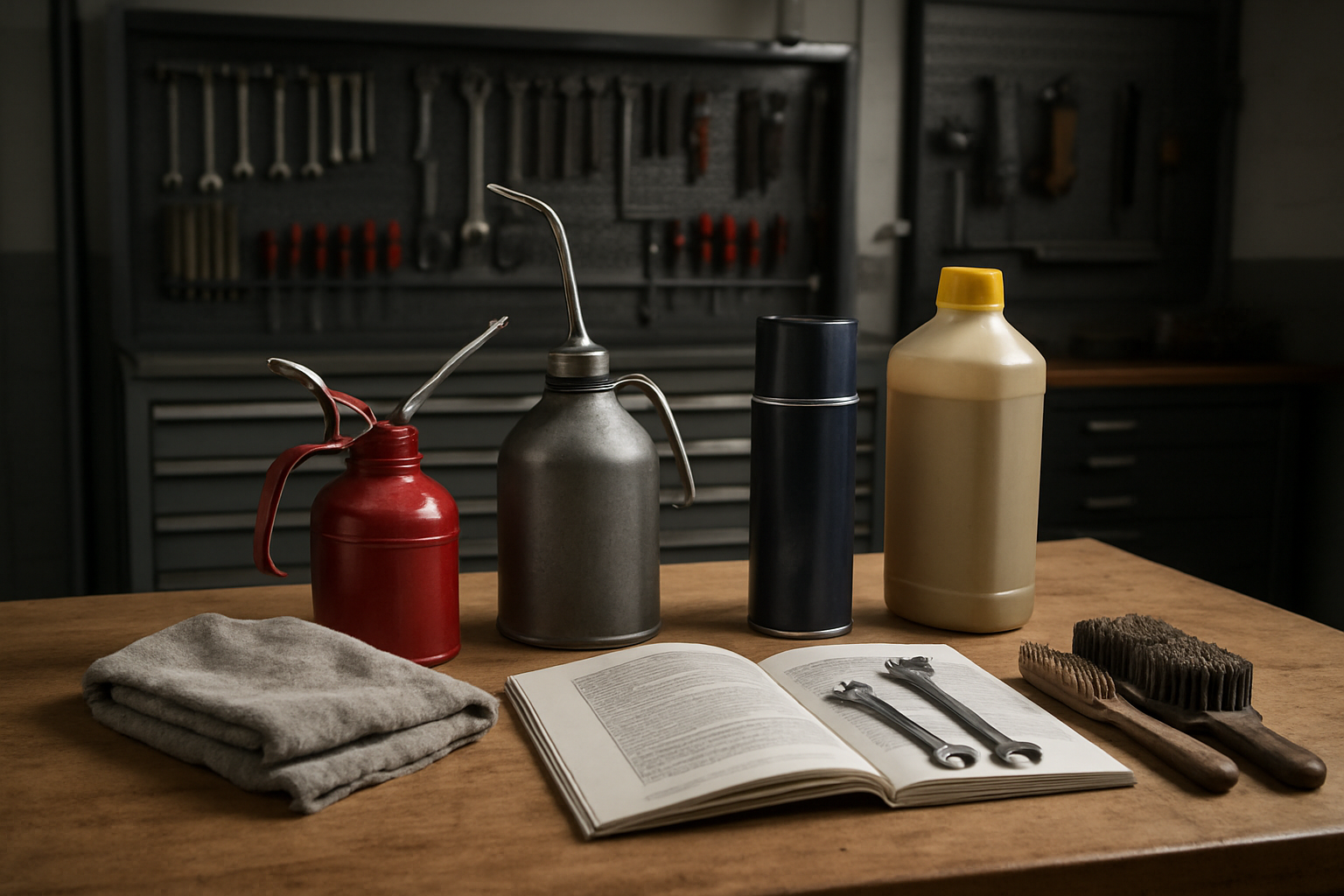
Your ACME tools work hard, and just like any hardworking machinery, they need proper lubrication to keep running smoothly. The right lubricants can extend the life of your DIY power tools beginners rely on and prevent costly repairs down the road.
3-in-1 Oil stands as the workhorse of workshop lubrication. This versatile product keeps moving parts flowing freely on everything from drill chucks to saw blade mechanisms. Apply a few drops to pivot points, bearings, and adjustment mechanisms monthly. ACME’s precision-tip applicator bottles make it easy to get oil exactly where you need it without making a mess.
White Lithium Grease tackles heavier-duty lubrication jobs. This thick, long-lasting lubricant works perfectly for gear boxes, threaded rods, and metal-on-metal contact points that see significant wear. Unlike oil, this grease stays put and won’t drip or run off during storage. Apply it to table saw adjustment mechanisms, miter saw pivot points, and router height adjustment screws.
Silicone Spray provides excellent lubrication for rubber seals, plastic components, and delicate mechanisms. Many modern power tools incorporate plastic gears and housings that benefit from silicone’s gentle yet effective protection. This lubricant also prevents rust and corrosion on metal surfaces exposed to moisture.
Chain and Bar Oil becomes essential if you own a chainsaw or pole saw. Regular motor oil won’t cut it here – you need specialized lubricant designed to stick to fast-moving chains while protecting the guide bar from heat damage.
Create a simple maintenance schedule: monthly for frequently used tools, quarterly for occasional-use equipment, and before storage for seasonal tools. Keep a small notebook in your workshop to track when you last serviced each tool.
Cleaning Supplies for Tool Longevity
Dust, debris, and built-up grime are the silent killers of workshop equipment. Regular cleaning prevents premature wear and keeps your essential DIY tools garage collection performing at peak efficiency.
Compressed Air ranks as your first line of defense against dust accumulation. A portable air compressor or canned air blows sawdust, metal shavings, and debris from motor vents, gear housings, and hard-to-reach crevices. Clean air intake vents after every major project to prevent motors from overheating.
Degreasing Solvents remove stubborn oil, grease, and sticky residue that accumulates on tool surfaces. Products like Simple Green or specialized tool cleaners break down these deposits without damaging painted surfaces or plastic components. Always disconnect power and remove batteries before cleaning electrical tools with any liquid cleaner.
Wire Brushes and Steel Wool handle rust removal and surface preparation. Keep both fine and coarse grades on hand – fine steel wool works great for light surface rust, while wire brushes tackle heavier corrosion on saw blades and drill bits.
Microfiber Cloths provide lint-free cleaning for precision surfaces like drill press tables, saw fences, and router bases. These cloths pick up fine dust particles that regular rags might just move around.
Blade and Bit Cleaners deserve special mention for maintaining cutting tools. Pitch and resin build-up on saw blades reduces cutting efficiency and can cause dangerous kickback. Specialized cleaners dissolve these deposits safely without dulling the cutting edges.
Shop Vacuum with Fine Filter keeps your workspace clean while protecting your lungs. A quality shop vac with HEPA filtration captures fine dust particles that can damage tool mechanisms and create health hazards.
Establish a post-project cleaning routine: blow out tool vents, wipe down surfaces, and store tools in protective cases or designated spots in your DIY tool organization garage system. This simple habit prevents major cleaning jobs later and keeps your investment protected.
Specialized Tools for Advanced Projects
Stud Finder for Wall Mounting Success
Every DIY garage workshop needs a reliable stud finder to tackle wall mounting projects with confidence. ACME’s electronic stud finder eliminates the guesswork from hanging heavy shelves, mounting televisions, or installing garage storage systems. Modern stud finders use edge-finding technology to locate wooden studs behind drywall, detecting both edges to pinpoint the center accurately.
The key advantage of ACME’s stud finder lies in its multi-sensor technology that can detect metal pipes, electrical wiring, and rebar in addition to wooden studs. This prevents costly accidents when drilling into walls. The device features a large LCD display showing stud locations and depth measurements, making it easy to mark precise mounting points.
Professional-grade models include deep scan modes that penetrate textured walls, plaster, and thick drywall. Some units offer acoustic signals that increase in frequency as you approach a stud center, helpful when working in dimly lit spaces. The calibration process takes seconds – simply place the device on a wall section without studs and press the calibration button.
Battery life typically extends 12-15 hours of active use, with automatic shut-off features preserving power. Compact designs fit easily in tool belts, and many models include integrated pencil holders for immediate marking. For DIYers building garage workshop storage or home theater setups, accurate stud detection ensures secure mounting that won’t fail under load.
Socket Set for Automotive and Mechanical Work
Socket sets form the backbone of any serious DIY garage operation, especially for automotive maintenance and mechanical projects. ACME’s comprehensive socket sets include both metric and SAE measurements, covering the full range of bolt sizes encountered in car repairs, appliance maintenance, and machinery work.
Quality socket sets feature chrome vanadium steel construction with mirror-polished finishes that resist corrosion and provide easy cleanup. The ratcheting mechanism should offer fine tooth counts – typically 72 teeth or more – allowing for precise movements in tight spaces. Quick-release buttons let you swap sockets rapidly without fumbling with traditional friction-fit connections.
A complete set includes shallow and deep sockets ranging from 6mm to 24mm (or 1/4″ to 1″) along with extensions, universal joints, and spark plug sockets. Deep sockets accommodate longer bolts and threaded rods, while shallow versions fit in confined areas. Universal joints bend up to 30 degrees, reaching awkward angles around engine components.
Professional sets organize sockets in labeled storage cases with individual slots preventing loss and confusion. Color-coded size markings help identify sockets quickly during time-sensitive repairs. Drive sizes typically include 1/4″, 3/8″, and 1/2″ options, with smaller drives for delicate work and larger drives for high-torque applications.
Impact-rated sockets withstand pneumatic and electric impact guns, essential for tire changes and heavy-duty mechanical work. These feature thicker walls and different metallurgy compared to hand-tool sockets, preventing cracking under repetitive high-torque loads.
Pliers Set for Gripping and Wire Work
Pliers represent essential DIY tools for any garage workshop, handling everything from electrical wiring to plumbing connections. ACME’s plier sets include needle-nose, linesman, diagonal cutters, and locking pliers to cover diverse project requirements. Each tool serves specific functions that standard pliers cannot accomplish effectively.
Needle-nose pliers excel at reaching into confined spaces and gripping small components. Their extended jaws manipulate wire nuts, retrieve dropped fasteners, and bend precise loops in electrical work. Quality models feature serrated gripping surfaces and integrated wire strippers near the pivot point. Side-cutting edges on many designs eliminate the need for separate wire cutters on light-gauge work.
Linesman pliers (also called electrician’s pliers) combine strong gripping power with integrated cutting capabilities. Their broad, flat jaws provide excellent leverage for twisting wire connections and pulling cable through tight spaces. The cutting section handles solid copper wire up to 12 AWG and stranded wire to 10 AWG. Insulated handles protect against electrical shock during live wire work.
Diagonal cutting pliers specialize in clean wire cuts and removing old fasteners. The angled head design allows flush cuts against surfaces, perfect for trimming zip ties and cutting wire close to terminals. Sharp, precisely aligned cutting edges maintain their effectiveness longer than side-cutters on combination tools.
Locking pliers (often called vise grips) function as portable clamps and extraction tools. Adjustable jaw opening accommodates various pipe sizes, damaged bolt heads, and irregularly shaped objects. The locking mechanism maintains constant pressure without hand fatigue, freeing both hands for other tasks. Release triggers allow quick jaw opening once work is complete.
Professional plier sets feature ergonomic handles with non-slip grips reducing hand strain during extended use. Drop-forged construction provides strength and durability that stamped alternatives cannot match.
Investment Tips for Budget-Conscious DIYers
Quality vs Price Comparison Guide
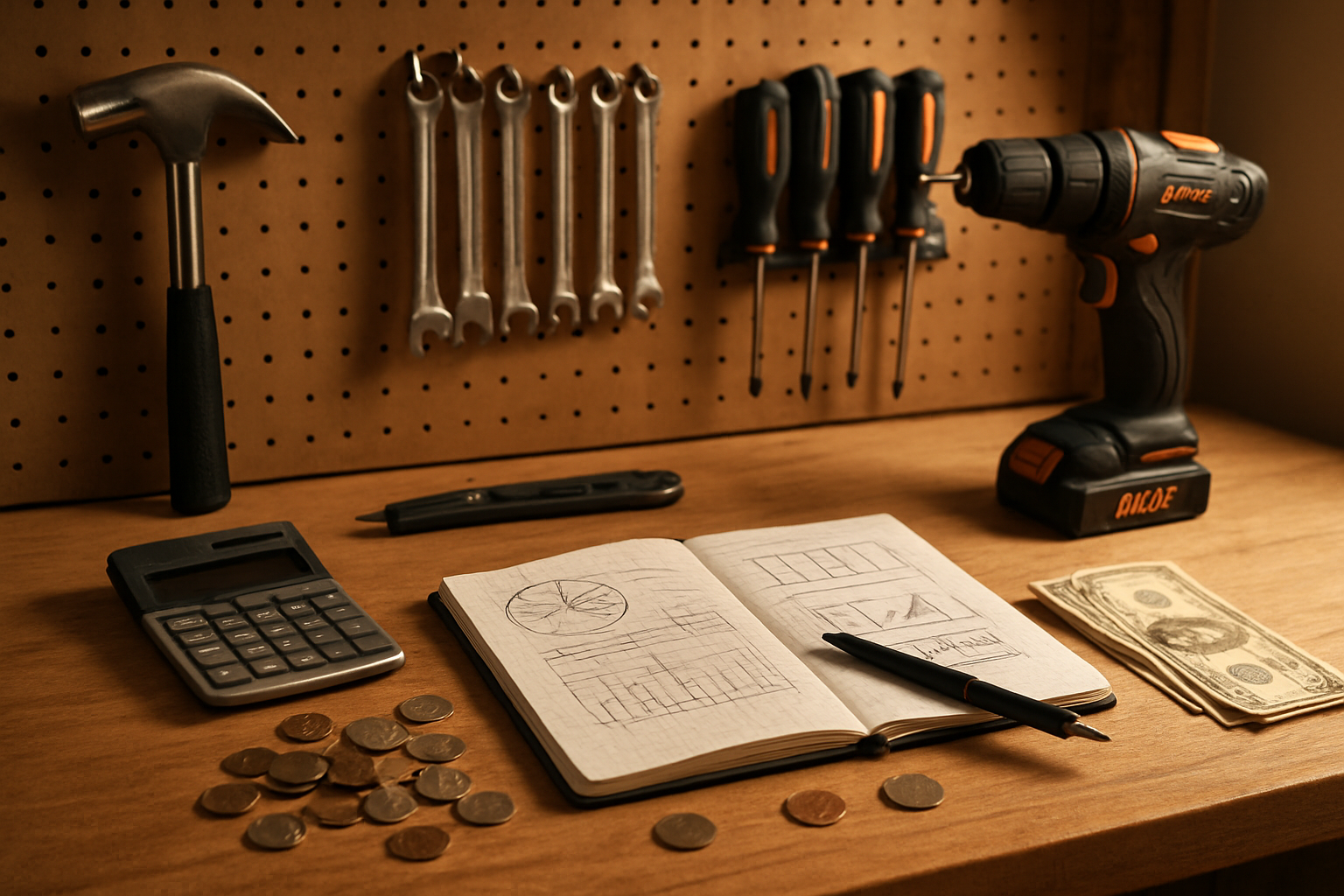
Smart DIYers know that the cheapest tool isn’t always the best deal, but neither is the most expensive one. ACME tools for DIY projects offer that sweet spot between quality and affordability that makes them perfect for budget-conscious home workshop enthusiasts.
When comparing tools, look beyond the initial price tag. A $30 ACME drill that lasts five years beats a $15 knockoff that breaks after six months. Check the warranty period – quality manufacturers back their products with solid guarantees. ACME typically offers 2-3 year warranties on their essential DIY tools garage lineup, which signals confidence in their build quality.
Pay attention to construction materials. Tools with metal gears outlast plastic alternatives, even if they cost 20-30% more upfront. For power tools, examine the motor specifications and read reviews from other DIYers. A tool that bogs down under moderate load will frustrate you and potentially damage your projects.
Create a simple cost-per-use calculation for expensive purchases. If you plan to use a circular saw monthly for the next three years, spending $120 instead of $60 makes sense when you factor in reliability and performance differences.
Essential vs Optional Tool Prioritization
Building your home workshop tools list requires strategic thinking about which tools you actually need versus those that would be nice to have. Start with the core tools that appear in 80% of your projects before moving to specialized equipment.
Tier 1 – Must-Have Tools:
- Cordless drill/driver
- Circular saw or miter saw
- Random orbital sander
- Basic hand tool set (screwdrivers, wrenches, pliers)
- Measuring tools (tape measure, level, square)
Tier 2 – Frequent Use Tools:
- Jigsaw for curved cuts
- Router for edge work
- Reciprocating saw for demolition
- Socket wrench set
- Clamps and workbench
Tier 3 – Project-Specific Tools:
- Table saw for precision work
- Compound miter saw for trim work
- Air compressor and nailers
- Specialty hand tools
Buy Tier 1 tools first, focusing on quality pieces that handle multiple tasks. A good cordless drill serves as both drill and driver, while a circular saw cuts lumber, plywood, and even light metal with the right blade. Only move to Tier 2 after you’ve exhausted the capabilities of your basic toolkit.
Where to Find the Best Tool Deals
Timing and location can slash your budget DIY tools buying guide expenses by 50% or more when you know where to look. Home improvement stores run major sales around Father’s Day, Black Friday, and back-to-school season when contractors stock up for fall projects.
Best Deal Sources:
| Source | Pros | Cons | Best For |
|---|---|---|---|
| Big Box Stores | Wide selection, price matching | Limited expert advice | Popular brands, bulk purchases |
| Local Tool Shops | Expert advice, service support | Higher prices, limited selection | Professional-grade tools |
| Online Marketplaces | Competitive prices, reviews | No hands-on testing | Research-backed purchases |
| Estate Sales | Deep discounts | No warranties, unknown condition | Vintage quality tools |
Sign up for store newsletters and follow social media accounts of major retailers. Many stores offer exclusive online coupons or early access to sales for subscribers. Price comparison apps help you spot genuine deals versus artificial markdowns.
Consider buying last season’s models when new versions launch. Tool manufacturers often discontinue perfectly good models to make room for updated versions with minor improvements. These older models frequently sell at 30-40% discounts while offering identical performance for most DIY applications.
Refurbished tools from manufacturer outlets provide another money-saving option. These units receive factory inspection and carry limited warranties while costing significantly less than new models. Just verify the warranty terms and return policy before purchasing.
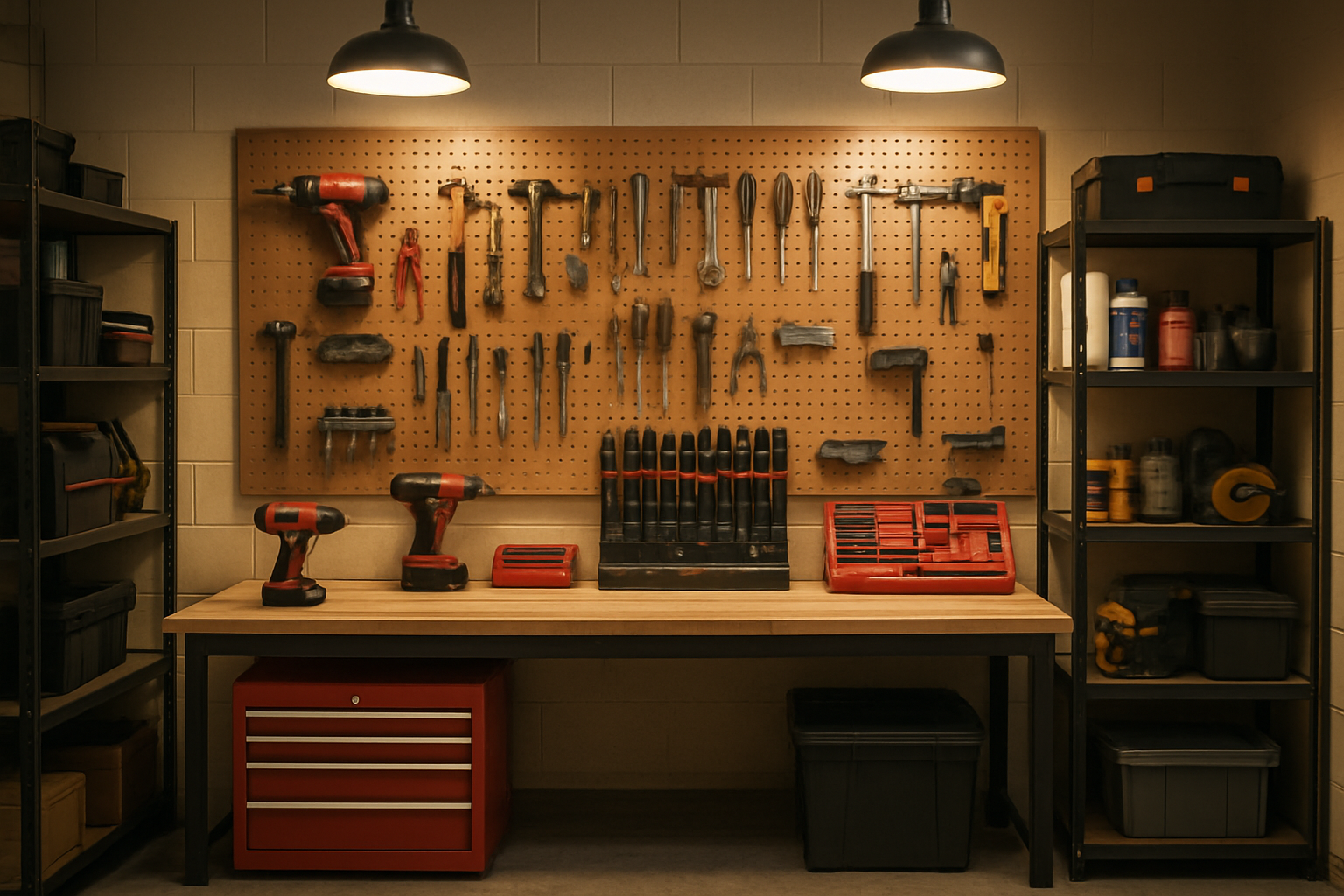
Having the right ACME tools in your garage transforms your DIY experience from frustrating trial-and-error sessions into smooth, professional-quality projects. From essential power tools that speed up major tasks to precision hand tools for intricate detail work, each category serves a specific purpose in building your ultimate workshop. Safety equipment keeps you protected while organization tools help you find what you need quickly, and proper maintenance tools ensure your investment lasts for years to come.
Start building your collection gradually, focusing on the basics first before moving to specialized tools for advanced projects. Smart shopping and budget planning mean you can create an impressive workshop without breaking the bank. Your garage can become the DIY haven you’ve always wanted – one quality ACME tool at a time.
